
Covering What Matters for Community Repairers

Today we dive into insurance for UK Repair Cafés and tool libraries, exploring how the right protections keep people, places, and shared tools safe. You will discover what policies typically apply, how insurers view hands‑on activities, how to avoid common exclusions, and how to present your safeguards clearly. Expect practical language, real examples, and checklists you can adapt immediately, so your next event or lending day runs smoothly, meets partner expectations, and stays resilient even when the unexpected happens.

The Landscape of Protection in Community Repair

What Cover Do You Actually Need
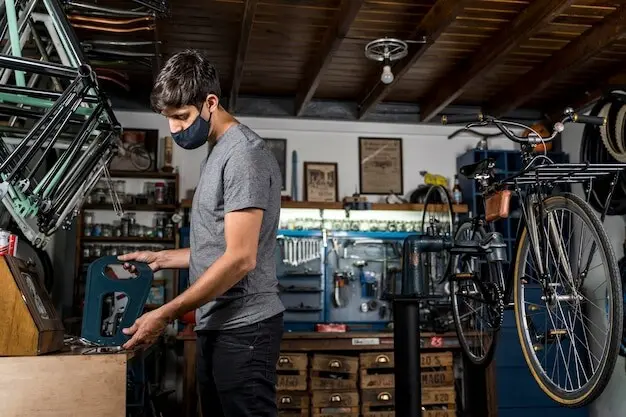
Start by listing every activity you run, where it happens, who attends, and what tools are used, then match those operations to likely insurance responses. Insurers want clarity about soldering, blades, adhesives, or testing practices, plus attendance numbers and supervision. From there, identify public and products liabilities, consider trustee indemnity, and add protections for your stored equipment. This structured view prevents awkward surprises, smooths conversations with underwriters, and ensures your celebration of mending is backed by thoughtful, proportionate safeguards.

Drawing the Line Between Immediate Mishaps and Later Faults
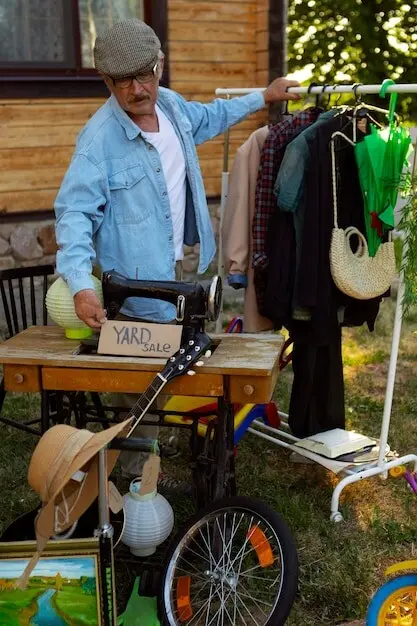
It helps to distinguish incidents like slips, trips, or a scalded hand from those arising days later, such as a repaired toaster overheating at home. Public liability typically addresses on‑site injuries and property damage, while products liability responds to harm allegedly caused by your repair, refurbishment, or advice. Disclaimers can explain boundaries but cannot remove responsibility for negligence or injury. Keeping notes, serial numbers, and decisions improves defensibility. Explain advice clearly, supervise carefully, and ensure testing steps are consistent and recorded after every fix.

Volunteers, Supervisors, And Duties That Still Matter

Many groups rely entirely on volunteers, yet responsibilities still exist around safe environments, competence, and oversight. Employer’s liability may be legally required only when you employ staff, but volunteer‑to‑volunteer incidents still concern insurers. Good practice includes inductions, sign‑in procedures, tool briefings, and buddy systems for higher‑risk tasks. Keep first aid supplies handy, appoint a responsible person for incident coordination, and train leads to pause unsafe work. These small habits demonstrate diligence to underwriters and meaningfully reduce the chance of heart‑sinking moments.

Member Agreements That Actually Work

A plain‑English membership agreement should set responsibilities for safe use, storage, and returns, while preserving your right to refuse loans that feel unsafe. Explain how you assess tool condition, what happens if items are lost, and who pays excess after an insured claim. Include age limits, prohibited modifications, and clear examples of acceptable use. Avoid legalese, require active acknowledgment, and keep digital records with timestamps. Strong agreements both educate borrowers and support insurers when questions arise about negligence, maintenance, or foreseeable misuse beyond your careful guidance.

Condition Checks, Maintenance, And Useful Records

Build a repeatable inspection routine using checklists for blades, guards, cables, plugs, batteries, and cases, plus photos capturing serial numbers and cosmetic condition. Schedule periodic servicing and cleaning, and keep replacement parts documented. While PAT testing is not always mandatory, a sensible policy for electrical tools, including visual checks and functional tests, reassures borrowers and insurers. Log who performed each inspection and what was found. When a claim or complaint appears, these well‑kept records often become the difference between confusion and a clear, defensible timeline.

Off‑Site Realities: Cars, Sheds, And Rain

Once tools leave your space, risk changes. Provide guidance on safe transport, including securing items in vehicles and avoiding overnight storage in cars, which many policies exclude. Explain weather considerations, battery care in cold conditions, and avoiding use near standing water. Encourage borrowers to photograph any prior damage immediately, then report problems early. Clarify territorial limits, theft requirements like forcible entry, and expectations for locks or alarmed sheds. This practical coaching mirrors insurer conditions, reduces painful surprises, and keeps community relationships warm, respectful, and sustainable.

Working Smoothly With Venues And Partners

Councils, libraries, churches, and universities often request paperwork before granting space. Expect to share certificates of insurance, confirm limits, and sometimes add indemnity to principal or note interested parties on policies. Review hire contracts for unusual hold‑harmless wording and push back on unreasonable demands. Provide risk assessments, safeguarding notes, and your incident plan. A consistent pack with policies, contacts, and checklists builds trust, speeds approvals, and sets professional expectations. As your reputation grows, partners increasingly champion your events and support reasonable, well‑explained conditions for everyone’s safety.

Venue Requirements Without The Headache

Create a standard partner packet including your certificate of insurance, public and products liability limits, a two‑page risk assessment, volunteer induction outline, and incident procedure. Keep it updated quarterly and send it ahead of time. When venues see structured documents, approvals accelerate and awkward last‑minute cancellations fade. Encourage questions early, record agreements in email, and store them centrally. By turning requests into a predictable checklist, you reduce friction, win goodwill, and demonstrate that community repair can be both welcoming and meticulously conscientious about shared safety.

When A Partner Asks For Odd Clauses

Occasionally a contract demands high limits, sweeping indemnities, or obligations your policy will not honour. Instead of signing under pressure, ask your broker to review wording and propose practical alternatives. You might offer indemnity to principal, share your risk controls, or adjust event layouts to satisfy concerns. If a term seems impossible, suggest a compromise like a capped liability aligned with insurance limits. Document every tweak, get countersignatures, and avoid assumptions. Thoughtful negotiation protects relationships and prevents agreeing to liabilities that silently exceed the cover you actually hold.

Certificates, Schedules, And Proving Cover

Many partners only need proof you meet minimum limits. Provide your certificate, relevant schedule pages, and a brief note explaining public and products liability scopes. If they request to be noted, confirm whether your insurer offers interested party or indemnity to principal wording. Set calendar reminders for renewals to avoid expired documents on file. Keep versions in a shared drive so volunteers can respond quickly. This small administrative habit avoids frantic searches, preserves credibility, and keeps your focus where it belongs, on joyful fixes and safer lending practices.

Incidents, Evidence, And Calm Responses

Even with strong controls, things can go wrong. A calm, consistent response protects people and strengthens claims. Offer first aid, make the area safe, and record details while memories are fresh. Photograph setups, tools, and signage. Note serial numbers, witness contacts, and weather or lighting. Report promptly to your broker or insurer, and consider HSE guidance where relevant. Afterwards, review what happened, update procedures, and share learning with volunteers. By treating incidents as catalysts for smarter practice, you lower future risk and often reduce premiums over time.

Budgets, Brokers, And Buying Smart

Great protection does not have to be expensive when you explain your controls clearly. Charity‑savvy brokers understand community repair, often placing cover with insurers like Ansvar, Benefact (Ecclesiastical), Zurich Municipal, or Aviva. Prepare a risk pack showing training, supervision, incident logs, and tool checks. Compare wording, not just price, watching deductibles, territorial limits, theft conditions, and excluded items. Ask about volunteer personal accident options. Start renewals early, invite feedback from venue partners, and capture improvements that justify better terms. Transparency and planning keep costs sensible.

Simple Habits With Outsized Impact

Open with a five‑minute briefing covering exits, first aid, PPE, and the day’s riskiest repairs. Label zones clearly, keep tool changes deliberate, and insist on clamps for cutting and soldering. Place spill kits near refreshments, and tidy continuously. Ask, Does this feel rushed, tired, or sharp. Pause when it does. Encourage volunteers to challenge politely and thank them when they do. These habits build a culture where safety is normal, confidence rises, and underwriters quietly notice consistent, responsible control of ordinary community hazards.

Safer Electrics And Sensible Soldering

Adopt a clear pathway for electrical repairs: visual checks, insulation or function tests as appropriate, and sign‑off by a competent person. Provide heat‑resistant mats and fume extraction for soldering, and store irons safely between uses. Keep cables managed, power strips off the floor, and RCD protection in place. Document test results, serial numbers, and who performed them. Explain limitations to guests, including when an item is beyond economical or safe repair. These steps calm anxiety, reduce callbacks, and align with what insurers expect from diligent, community‑minded practice.
Karovarolivopalopira
Privacy Overview

This website uses cookies so that we can provide you with the best user experience possible. Cookie information is stored in your browser and performs functions such as recognising you when you return to our website and helping our team to understand which sections of the website you find most interesting and useful.