
Repair Together: Counting What We Save Across the UK
Today, we explore measuring waste reduction and carbon savings from community repair in the UK, turning practical fixes into clear numbers that inspire action. From scales and simple forms to robust carbon factors, we’ll show how local sessions translate everyday ingenuity into measurable environmental benefits, stronger communities, and hopeful stories. Join us as we connect methods, data, and human moments, proving that hands-on care for belongings can drive national progress toward circularity, resilience, and more joyful use of what we already have.
From Bin to Bench: The Power of a Second Life
When a kettle, coat, or lamp lands on a workshop bench instead of a bin, something remarkable happens. A small fix can avoid kilograms of discarded material, defer the purchase of a replacement, and preserve the hidden emissions invested in extraction, manufacturing, and transport. People walk away with working items and new confidence, proving that preventing waste is not an abstract goal but a tangible, repeatable action anyone can contribute to regularly.
Communities as Carbon Labs
Repair events function like distributed, human-centered laboratories, where each saved item adds a data point to a growing picture of avoided waste and emissions. Volunteers weigh objects, note outcomes, and record parts used, building transparent evidence of real-world impact. Though individual sessions are small, their consistent practices and shared methods create a trustworthy dataset. Aggregated across towns and seasons, these results inform better local decisions, inspire policy conversations, and guide practical steps that scale beyond any single venue.
A UK Snapshot
The UK generates substantial household waste and grapples with fast product turnover, especially for small appliances and garments. Community repair addresses this reality head-on by extending product lifetimes through affordable, accessible interventions. Sessions also empower households facing tight budgets, offering learning, tools, and support. As participation grows, so does the quality of data describing avoided disposal, reduced purchases, and the embodied emissions not spent on manufacturing replacements. Repair becomes both a social connector and a measurable climate lever.
Why Repair Matters Right Now
Communities across the UK face rising costs, resource constraints, and mounting environmental pressures, yet small acts of care at repair tables create outsized change. By extending the life of electronics, textiles, tools, and toys, people prevent avoidable waste, reduce demand for new manufacturing, and keep value circulating locally. This living practice strengthens skills, trust, and agency, while offering measurable reductions in disposed materials and associated emissions. Repair rekindles attachment to cherished objects and turns climate anxiety into practical, collective momentum.
Building a Robust Measurement Method
Clear, consistent methods convert workshop stories into credible environmental numbers. A practical framework combines measured weight, conservative carbon factors, and realistic assumptions about life extension after successful fixes. It also acknowledges uncertainty, documenting ranges and data quality notes to avoid overstating results. Practicality matters: volunteers need simple steps, easy tools, and minimal data entry burden. Thoughtful methodology ensures repeatability across events and regions, turning everyday repair into a trustworthy, scalable source of insights that stakeholders can act upon confidently.
Data Collection at Community Events
Good data practices turn busy repair days into reliable evidence. Keep forms simple, keep measurements consistent, and keep privacy protected. A few well-designed fields can capture what matters most: item category, weight, fault, outcome, replaced parts, and estimated extra life. Volunteers need quick cues, clear definitions, and easy tools like calibrated scales. With supportive training and light-touch supervision, events maintain integrity without slowing the joy of fixing. Respectful consent and secure storage ensure trust while revealing compelling environmental insights.
Simple, Consistent Forms
A compact form prevents fatigue and errors. Record item type using a shared list, capture weight with a reliable scale, and note the fault, steps taken, and outcome. Add fields for parts replaced, approximate age, and anticipated extra life. Provide dropdowns for common categories to speed entry and improve consistency across teams. Consistency matters more than perfection; with standardized language and quick guidance notes, even first-time volunteers can gather data that meaningfully supports later analysis and evidence-based storytelling.
Training Volunteers for Consistency
Brief, hands-on training builds confidence. Demonstrate how to weigh items, handle edge cases, and choose correct categories. Encourage volunteers to speak in plain, observable terms about faults and results, avoiding guesswork. Rotating roles helps distribute workload and spreads knowledge. A laminated sheet of examples speeds decisions and prevents drift. By celebrating accurate entries and explaining how numbers power advocacy, coordinators reinforce purpose. People log better data when they see how it strengthens funding bids, partnerships, and community credibility.
Respecting Privacy and Ethics
Trust is foundational. Request informed consent before collecting any personal information, and minimize what you collect. Anonymize entries wherever possible, and explain how data will be used, stored, and shared. Avoid photographs that reveal identities unless explicit permission is granted. Comply with relevant regulations and review retention periods regularly. When sharing results publicly, aggregate to protect individuals and small groups. A respectful, transparent approach safeguards participants while still delivering the rich evidence needed to grow repair culture and environmental impact.
Turning Numbers into Insight
Key Indicators that Motivate Action
Highlight the few indicators that resonate widely: items repaired, kilograms diverted from disposal, estimated carbon avoided, average repair time, and common failure modes. Add context by comparing results across events or seasons, noting when a small change in setup unlocks higher success rates. Emphasize repeatable wins, like standard spare parts or a pre-triage table. Indicators should guide practical improvements, empower coordinators, and make it easy for partners to see tangible results worth amplifying through grants, outreach, and policy conversations.
Visualizing Trends over Time
Charts and simple heat maps help everyone understand the story quickly. Track categories with rising success rates, or items frequently saved by a single part like a fuse, switch, or zip. Watch how seasonal patterns affect volume, from pre-winter coat mending to spring bicycle revivals. Visuals encourage exploration and spark hypotheses that volunteers can test at the next session. When trends are shared back promptly, communities iterate faster, optimizing layouts, stocking smarter spares, and inviting specific skills that elevate outcomes month after month.
Communicating Uncertainty Honestly
Integrity earns trust. Include ranges where data are approximate, explain assumptions that shape estimates, and label proxies clearly. If product weights are missing, show how averages were derived and flag opportunities to improve measurement next time. Separate confirmed repairs from partials, and describe how life extension was estimated. Rather than diminish impact, this clarity makes results more persuasive, inviting partners to strengthen methods, contribute better data, and collaborate on refinements that raise confidence while preserving the accessibility that keeps events welcoming.
Stories from Repair Tables across the UK
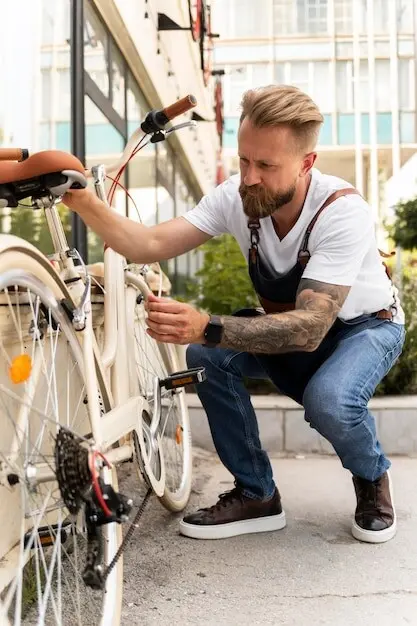
Numbers persuade, but stories stick. Around bustling tables, a once-silent radio sings, a bike rolls freely again, and a treasured coat warms another winter. Each success blends craft, patience, and community spirit with measurable environmental benefits. These moments reveal how diverted kilograms and avoided emissions feel in real life: relief, pride, and gratitude. By pairing human narratives with transparent calculations, communities invite more people to join, proving that hopeful climate action can be friendly, local, and delightfully hands-on.
Start or Support a Local Session
Join an existing event or gather neighbors to create one. Begin small, with a welcoming table, a sign-in sheet, and basic tools. Encourage roles for greeters, fixers, and data stewards. Share a simple form, weigh items, and capture outcomes. Post results regularly to celebrate progress and invite feedback. Subscribing to updates and sharing your calendar helps nearby communities coordinate, borrow resources, and learn from each other’s layouts, outreach ideas, and clever fixes that quietly multiply environmental wins month after month.
Partner with Councils, Colleges, and Libraries
Partnerships unlock space, visibility, and continuity. Councils can embed sessions within waste-reduction plans, colleges can provide technical mentorship, and libraries can host tools, guides, and booking systems. In return, events offer rich local data on avoided waste and estimated emissions. Clear agreements on communications, safeguarding, and data sharing keep collaboration smooth. Together, partners can run themed days, stock targeted spare parts, and pilot measurement improvements that raise consistency, confidence, and impact while keeping events friendly, inclusive, and wonderfully practical.

All Rights Reserved.